
Kitten Information
Everything that comes with an EzBritz kitten — how we raise them, what they leave home with, and what to expect when yours arrives.
Fourteen to sixteen weeks, fully prepared.
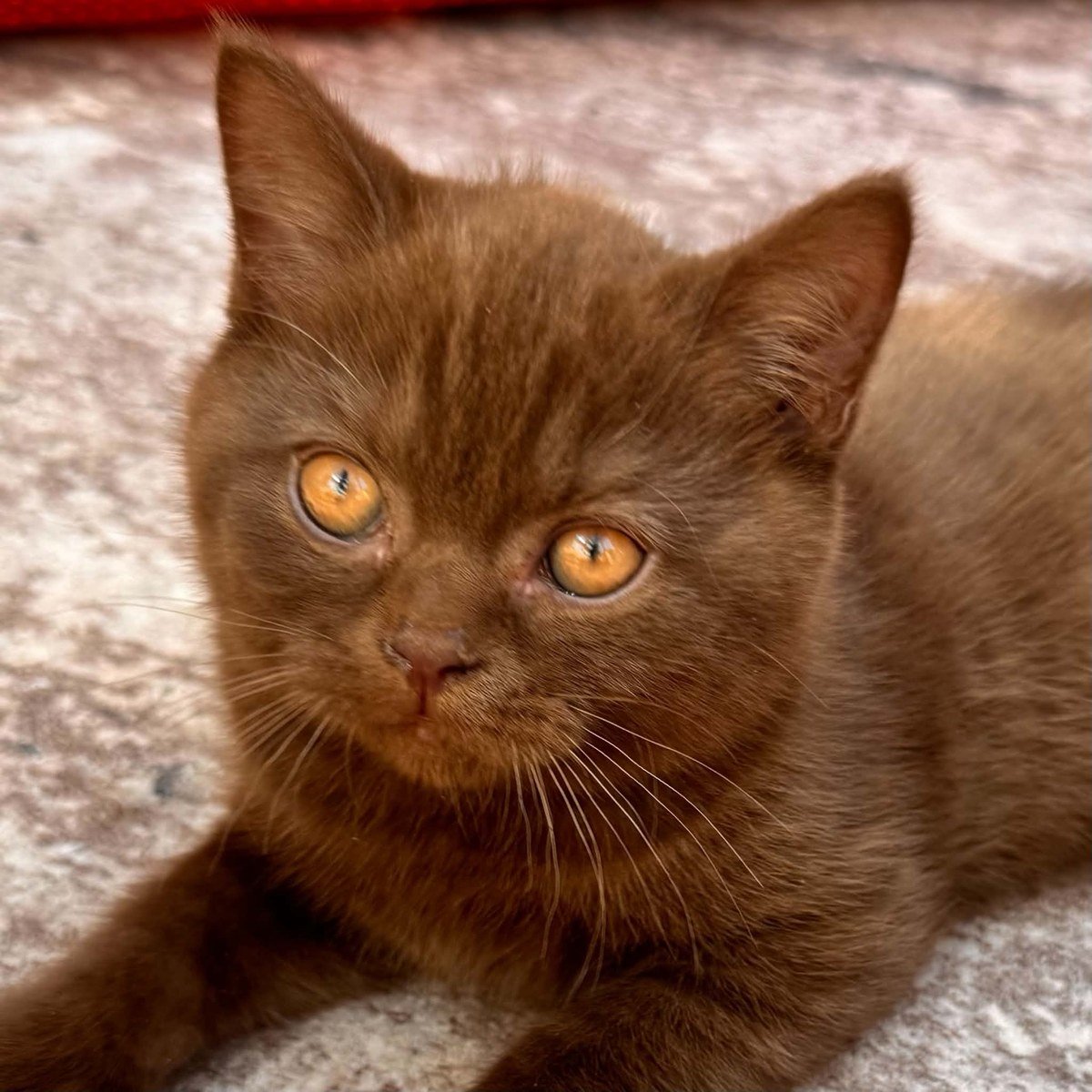
Everything you need to know about an EzBritz kitten
What every kitten leaves with
- GCCF registration on the non-active register, with the full pedigree handed over at collection
- Copies of both parents’ health test certificates, so you can check them yourself
- A written contract, including the neutering clause and our indoor-only condition
- Full primary vaccination course completed, plus two vet health checks
- Microchipped at home by Paula, our certified microchip implanter — a legal requirement in England since June 2024
- Wormed and flea treated, and up to date on both
- Four weeks’ free Petplan insurance, activated the day the kitten leaves
- Litter trained and family socialised, raised underfoot in the house
- A kitten pack — Royal Canin wet and dry, the same litter they are used to, a blanket that smells of home, a diet sheet and a care guide
- Fourteen to sixteen weeks old. Thirteen weeks is the GCCF minimum, not our target
- Lifetime breeder support — we would always rather you rang us than sat worrying
Health testing
Both parents of our current litter are DNA tested PKD1 Normal at Langford Vets, University of Bristol, which makes every kitten in the litter PKD1 Normal by parentage. We blood type every cat before a mating. We do not heart scan, and we explain why rather than leaving it quietly off the list.
Our full health and genetics position is here, including what the GCCF’s own British Shorthair breeding policy says about HCM, and what we would do if we ever suspected it in one of our lines.
Litter training
British Shorthair kittens are remarkably easy to wean and litter train. Ours take to a tray far quicker than any Siamese or Oriental I have raised, almost as though they work it out for themselves. I suspect the truth is that Rosie teaches them rather than we do.
Your kitten comes home with a bag of the litter it has always used, because changing the litter is the commonest reason a settled kitten suddenly stops using the tray. If yours ever does have a wobble, I have written the whole thing up in my guide to litter tray problems in a new kitten — including the afternoon we accidentally shut one of Rosie’s kittens in the bathroom for two hours, and what it did about it.
Frequently asked questions
How much is a kitten, and how do I reserve one?
Our kittens are £1,200. A £300 deposit reserves your kitten and the balance is payable on collection, by bank transfer. The deposit is non-refundable if you change your mind, but refunded in full if we withdraw a kitten for any health reason. Once your deposit is received the kitten is marked as reserved for you and we send photo and video updates as they grow.
How old will my kitten be when it comes home?
Never younger than 13 weeks. That is the GCCF minimum and we do not make exceptions. Beyond that we do not work to a fixed date: a kitten goes home once its full primary vaccination course is complete and it has had around three more weeks to settle afterwards, whichever falls later. In practice that usually means fourteen to sixteen weeks. It is later than some breeders manage, and it is deliberate.
Can I come and meet the kittens first?
Yes, and we would encourage it. Once the kittens are old enough for visitors we are happy to arrange a visit by appointment so you can meet them, meet mum, and see how they are living. We would far rather you came and asked us questions in person than committed to a kitten you have only seen in photographs.
Do you deliver, or do I collect?
Collection in person from us in Fareham, Hampshire, always. It matters to us that we meet the people our kittens are going home with, and it gives us the chance to hand over the paperwork, talk you through the diet sheet and answer anything last-minute face to face.
Will my kitten be indoor or outdoor?
Our kittens go to indoor homes only, and this is a condition in our contract. Secure outdoor access (an enclosed garden or a catio) is welcome and enriching, but free roaming is not. British Shorthairs are trusting and not road-wise, and we are not willing to place a kitten where it will be at risk.
Can I breed from my kitten?
Kittens are normally registered on the GCCF non-active register, which means they cannot be bred from, and our contract includes a neutering clause. We will occasionally consider active registration for an established breeder, but only by prior agreement and discussed before you reserve — never as an afterthought once a kitten is home.
What happens if something goes wrong after I take my kitten home?
Ring us. Every kitten leaves fully vaccinated, vet-checked, microchipped and with four weeks’ free Petplan insurance, and we ask you to have your own vet see the kitten within the first few days. But things come up, and our support does not stop at the front door. Ross is qualified in feline behaviour and psychology and Paula is trained in pet first aid. We would always rather you called us early than worried alone.
What will my kitten be eating?
Royal Canin kitten food, wet and dry, and paper pellet litter. You go home with enough of both to keep everything familiar for the first few days, plus a diet sheet and a blanket that smells of home. If you want to change food later, do it gradually — a kitten coping with a new house does not also need a new diet.
Something we have not covered? Ask us. We would rather answer it now than have you wondering.